

- Commercial construction tender prices increased by 3% in the first half of 2026
- This represents the largest six-monthly increase in three and a half years
- National rate of commercial tender price inflation is now running at 4% year-on-year
- Chartered Surveyors say conflict in the Middle East is one of the key drivers of inflation – “The conflict is driving prices of oil-based products and directly impacting supply chains”
Tuesday 25th August 2026:
A new report by the Society of Chartered Surveyors Ireland (SCSI) indicates that commercial construction tender costs are now rising at their highest rate in three and a half years.
The latest Tender Price Index (TPI) published by the SCSI shows the rate of commercial construction inflation increased nationally by 3% in the first half of 2026, a trebling of the 1% rate of increase recorded in the previous six months.
According to the SCSI’s Tender Price Index, (TPI) which is the only independent assessment of commercial construction tender prices in Ireland, the annual median rate of inflation for the past 12 months was 4%.
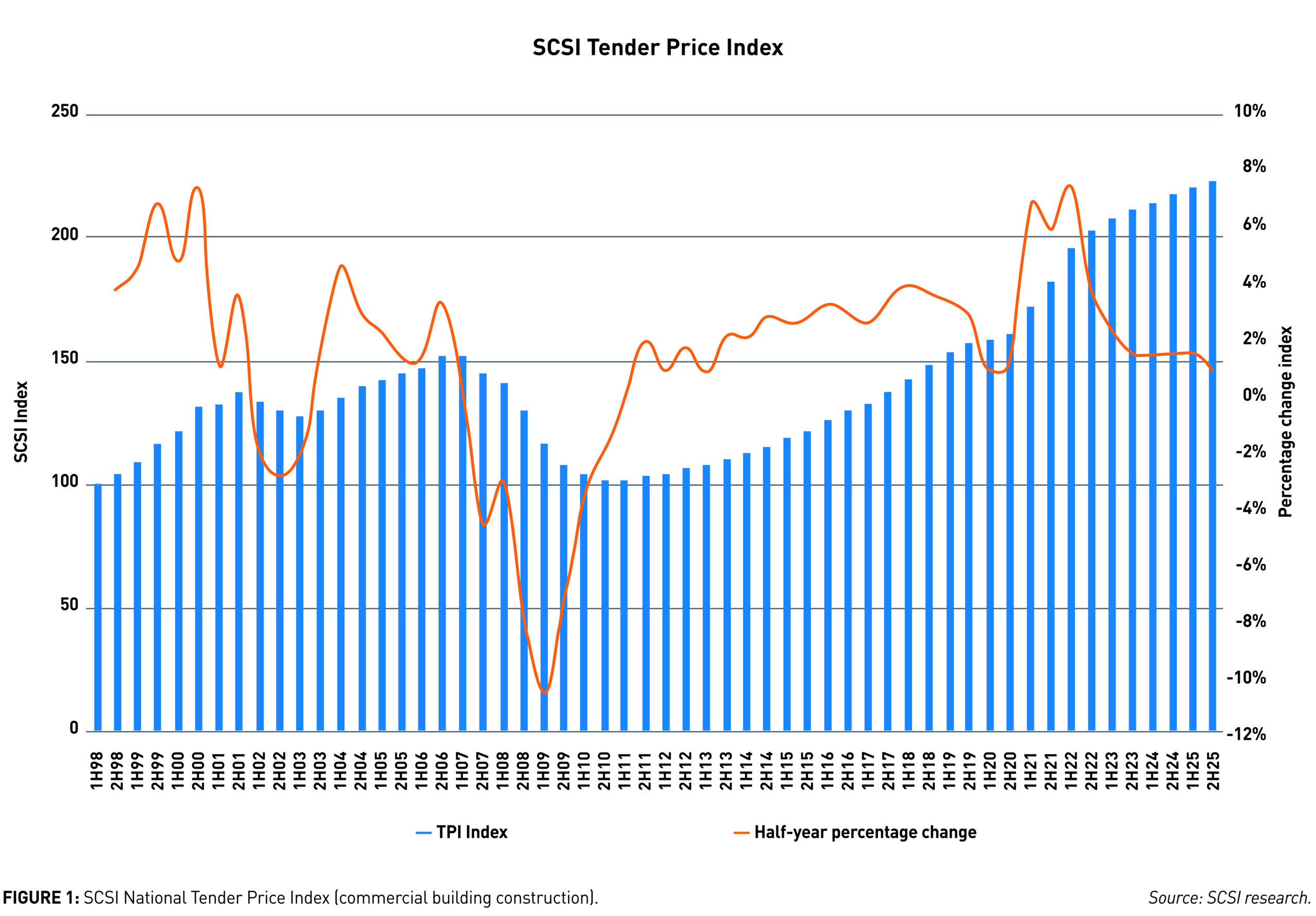
Fig 1. Construction Tender Prices 1998 – 2026 Research for the latest edition of this sentiment survey, which is based on responses from chartered quantity surveyors from all around the country, working on commercial projects, was conducted in July 2026.
The President of the SCSI, Tomás Kelly said the key drivers of the latest tender price inflation figures are the conflict in the Middle East and increases in the price of specific building products.
“The majority of Chartered Quantity Surveyors surveyed pointed to the Middle East conflict as a major driver of material price changes, with the impact expected to particularly influence the price of oil-based materials. Others highlighted the fact that the Middle East conflict would have a direct impact on supply chains.”
“The latest CSO figures tracking material price changes show that copper, up 8.7%, pipes and fittings, up 7.9% and pvc pipes, up 5.4% are among the highest inflated materials over the past 12 months. This coincides with the views of quantity surveyors who are also highlighting upwards pressure on material prices.”
“The relationship between the demand and supply of labour was also reflected strongly in our findings. Chartered Quantity Surveyors pointed to the availability of skilled labour as being in short supply which would likely put upward pressure on tender prices.”
“Chartered Quantity Surveyors have also noted the implementation of the Sectoral Employment Order (SEO), which will increase the wages of construction workers in Ireland from this month.”
Regional Variations
The figures indicate significant variation across the regions in the first half of the year with the highest rate of 3.3% being recorded in Munster, following on from the 1.5% increase in the second half of 2025. This is the highest tender price movement recorded in the country and indicates a 12-month change of 4.8%. The median change in tender prices in Connacht / Ulster follows a similar trend with upward movement of 3% contributing to the same annual rate of increase over the past 12 months of 4.8%.
The median change in tender prices in Dublin was 2.5%, while the median change in the rest of Leinster was 2.3%, marking a return to tender price inflation in both regions following the 0% increase recorded in both locations the second half of 2025.
The SCSI says regional variation can occur due to a combination of reasons, from differing activity levels to availability of resources and/or a time lag in other factors.
The Future
Nationally, Chartered Quantity Surveyors take a clear view that material prices are rising. Approximately 84% of Chartered Quantity Surveyors place the market in an upswing or at the peak.